

Choosing The Best Coffee Grinder For Your Perfect Brew
There's nothing quite like the aroma of freshly ground coffee. It's the scent that signals the start of a great day, a productive afternoon, or a relaxing weekend ritual. But if you're still buying pre-ground coffee, you're missing out on most of that flavour potential. We believe that the single most important piece of equipment in your coffee setup isn't the fancy machine, it's the grinder. A quality coffee grinder is the true hero behind every exceptional cup, unlocking the complex notes and rich aromas locked inside your favourite beans. In this guide, we'll walk you through everything you need to know to choose the right grinder, transforming your daily brew from good to unforgettable.
Key Takeaways
- A quality burr coffee grinder is the most crucial piece of equipment for achieving exceptional flavor, as it ensures freshness and consistency.
- Burr grinders are superior to blade grinders because they mill coffee to a uniform size, preventing the bitter and sour tastes caused by uneven extraction.
- The ideal type of burr depends on your preference: conical burrs often create a fuller body, while flat burrs can produce brews with more clarity and sweetness.
- Your brewing method determines the right grinder; espresso requires precise micro-adjustments, while pour-over and French press need consistency at coarser settings.
- When choosing a coffee grinder, prioritise a wide range of settings, durable materials like steel burrs, and a low-speed motor to avoid heating the beans.
- Modern manual grinders can match the performance of more expensive electric models, offering a portable and quiet option without sacrificing quality.
Why A Quality Grinder Is The Foundation Of Great Coffee
Think of a coffee bean as a tiny, perfectly sealed capsule of flavour. All the delicious oils and aromatic compounds that make coffee so special are protected inside. The moment you grind a bean, you start a countdown. These compounds begin to oxidise and dissipate, and within minutes, a significant amount of flavour is lost. This is why pre-ground coffee, no matter how well it was packaged, will always taste flatter and less vibrant than coffee ground moments before brewing.
But freshness is only half the story. The real secret to a great extraction, the process of hot water dissolving coffee solids to create your drink, is consistency. A quality grinder doesn't just crush beans: it mills them to a uniform particle size. When all the coffee grounds are roughly the same size, they extract at the same rate. This even extraction is what gives you a balanced, sweet, and complex cup. Inconsistent grinds, on the other hand, lead to a muddled taste, with some particles over-extracting (causing bitterness) and others under-extracting (causing sourness). Your grinder is your tool for achieving that perfect balance, every single time.
Understanding Grinder Types: Blade vs. Burr Grinders
When you start searching for a coffee grinder for sale, you'll quickly encounter two main categories: blade and burr. While they both turn whole beans into grounds, their methods and results are worlds apart.
The Limitations Of Blade Grinders
A blade grinder is essentially a small blender. It has a spinning blade at the bottom that violently smashes and shatters the coffee beans. There's no control over the final particle size: the longer you run it, the finer some of the coffee gets, but it's a chaotic process. The result is a mix of fine dust, small chunks, and everything in between. As we just discussed, this inconsistency is the enemy of good coffee. The fine dust will over-extract and turn bitter, while the large chunks will under-extract and taste sour. You can't achieve a balanced flavour with a blade grinder, no matter how expensive your beans or brewer are.
The Precision And Consistency Of Burr Grinders
This is where the magic happens. Burr coffee grinders use two revolving abrasive surfaces, or burrs, to crush beans between them. The coffee is milled to a uniform size determined by the distance between the two burrs, which you can adjust with precision. This method produces a consistent, even grind that allows for a balanced and flavourful extraction. Investing in a burr grinder is the single biggest leap you can take toward café-quality coffee at home. It's a non-negotiable tool for anyone serious about their brew.
Flat Burrs vs. Conical Burrs: What's The Difference?
Once you've decided on a burr grinder, you'll encounter the next big debate: Flat burrs vs conical burrs. Both produce excellent results, but they have subtle differences in their design and the flavour profiles they tend to create.
- Conical Burrs: These feature a cone-shaped inner burr that spins inside a serrated outer ring. They are very common in home grinders because they are generally quieter, generate less heat, and are more energy-efficient. Conical burrs tend to produce a bimodal grind distribution, meaning two distinct clusters of particle sizes. This can result in a coffee with a heavier body and more complex, blended flavours, which many people prefer for espresso.
- Flat Burrs: This design uses two parallel, ring-shaped burrs that lie flat against each other. One is stationary while the other spins. Coffee beans are drawn between the burrs and ground as they travel to the outside edge. Flat burrs are known for producing a very uniform, or unimodal, grind size. This uniformity can lead to brews with exceptional clarity, sweetness, and distinct flavour separation, making them a favourite for pour-over and filter coffee enthusiasts who want to taste every delicate note.
Key Features To Consider When Buying A Grinder Machine
Beyond the type of burrs, several other features will impact your daily coffee routine. When you're looking at a grinder machine, here's what to keep an eye on.
Grind Settings And Consistency
The heart of any good grinder is its adjustment mechanism. You want a grinder that not only offers a wide range of grind sizes (from very fine for espresso to very coarse for French press) but also allows for easy and repeatable adjustments. Grinders can be stepped, meaning they click into predefined settings, or stepless, offering an infinite number of micro-adjustments between the finest and coarsest settings. Stepped grinders are great for easily switching between brew methods, while stepless models offer the ultimate precision for dialing in the perfect espresso shot.
Build Materials And Durability
A grinder is an investment, so you want it to last. Look for models with a solid construction, preferably with metal components in key areas. The burrs themselves are crucial. They typically come in two materials: stainless steel and ceramic. Steel burrs are known for their sharpness and ability to produce clean, uniform grounds, making them excellent for all brew methods. Ceramic burrs are harder and can stay sharp longer, but they can be more brittle. A well-built grinder with quality burrs will serve you for years.
Motor Speed, Dosing, And Ease Of Use
The motor matters. A slow-spinning, high-torque motor is ideal because it generates less heat and static. Heat can prematurely cook your coffee grounds, negatively impacting the final taste. For ease of use, consider how the grinder doses coffee. Some use a timer, others grind directly into a portafilter, and some high-end models even dose by weight. Finally, think about the day-to-day experience. How easy is it to clean? How much ground coffee does it retain after grinding (known as retention)? Low retention is desirable as it means you're always brewing with the freshest possible grounds.
Matching Your Grinder To Your Brewing Style
The best grinder for you eventually depends on how you like to make your coffee. Different brewing methods have very different requirements for grind size and consistency.
Grinding For Espresso Machines
Espresso is the most demanding brew method. It requires an extremely fine and consistent grind to allow high-pressure water to extract flavour evenly in just 25-30 seconds. Even a tiny change in grind size can dramatically alter your shot. For this reason, espresso enthusiasts need a grinder with precise micro-adjustments. A grinder like the Lelit Fred 43 On-Demand Espresso Grinder is designed specifically for this task, offering the fine-tuned control needed to pull perfect, syrupy shots.
Grinding For Filter, French Press, And Pour-Over
For methods like pour-over, AeroPress, or French press, you'll be working with a medium to coarse grind. While you may not need the microscopic adjustments of an espresso grinder, consistency is still absolutely crucial. Inconsistent coarse grinds will result in a muddy, bitter cup due to the presence of fine particles. You need a grinder that can produce even particles at the coarser end of the spectrum. Versatile electric grinders like the renowned Baratza Encore ESP Grinder or the convenient Gaggia MD15 Coffee Grinder are fantastic all-rounders that excel at these brew methods while still being capable of grinding for espresso.
Manual vs. Electric Grinders: Which One Is For You?
The final choice often comes down to lifestyle: do you prefer the convenience of an electric grinder or the ritual and portability of a manual one?
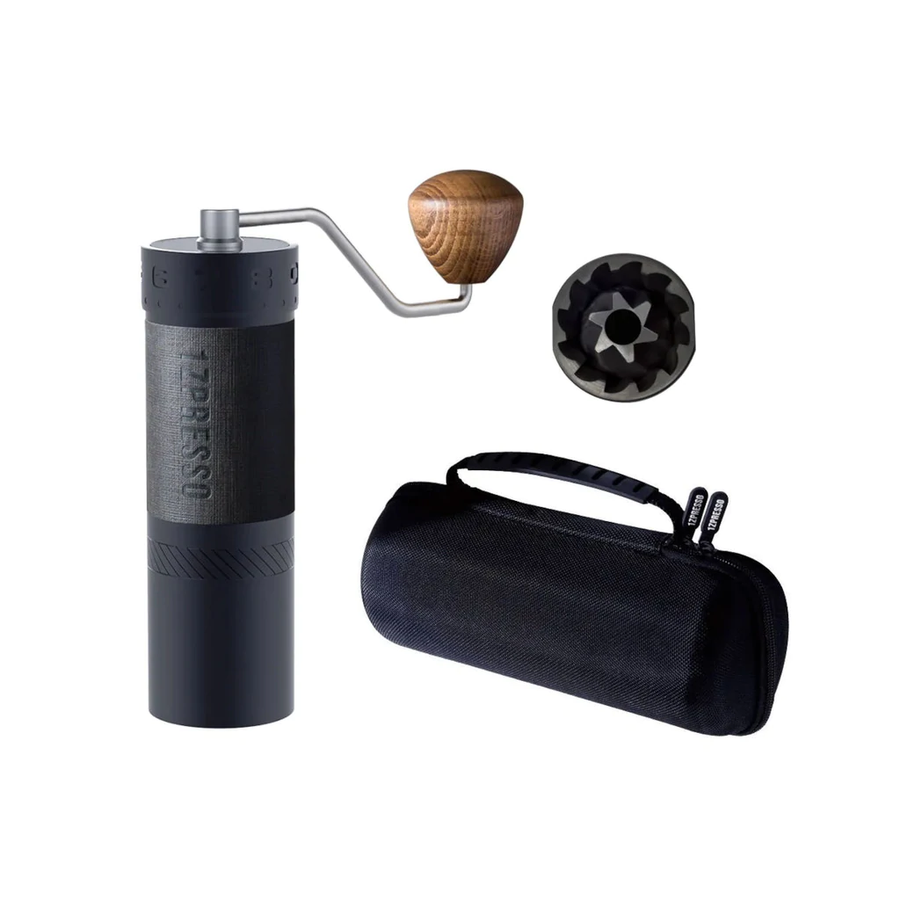
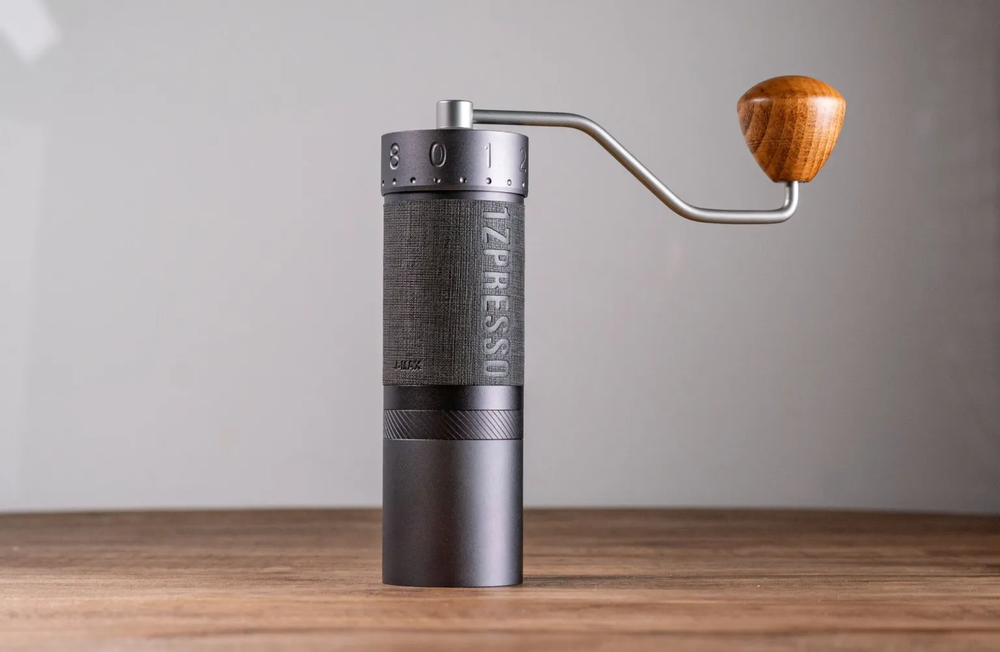
- Manual Grinders: Don't underestimate hand grinders. Modern manual grinders like the 1Zpresso Q2 Manual Coffee Grinder or the Timemore Chestnut C2S Manual Coffee Grinder offer incredible grind quality that rivals electric models many times their price. They are quiet, compact, and perfect for travel or the office. The trade-off is the manual effort and time required, which might not be ideal if you're making coffee for a crowd.
- Electric Grinders: For speed and convenience, nothing beats an electric grinder. With the push of a button, you have perfectly ground coffee in seconds. They are the ideal choice for anyone brewing multiple cups a day or integrating a grinder into a busy morning routine at home or in the office. They take up more counter space and are louder, but the convenience is undeniable.
Conclusion
Choosing the right coffee grinder is the most impactful decision you can make to elevate your coffee experience. By moving from a blade grinder to a quality burr grinder, you gain control over the most important variable in coffee brewing: grind consistency. Whether you choose the quiet ritual of a manual grinder or the fast convenience of an electric model, you are investing in flavour, aroma, and a better daily cup. Your perfect brew is waiting, and it all starts with the grind.
Frequently Asked Questions About Coffee Grinders
Why is a quality coffee grinder so important for good coffee?
A quality coffee grinder is crucial because it ensures a consistent grind size for even extraction, preventing bitter or sour flavors. Grinding beans right before brewing also preserves the delicate aromatic oils that provide rich flavor, which are quickly lost after beans are ground.
What's the main difference between blade and burr grinders?
A blade grinder uses a spinning blade to randomly shatter beans, resulting in an inconsistent mix of fine and coarse particles. A burr coffee grinder mills beans to a uniform size between two abrasive surfaces, which allows for a much more balanced and flavorful extraction.
Are flat burrs or conical burrs better for grinding coffee?
Neither is inherently better; it depends on your taste preference. Flat burrs are known for producing a uniform grind that highlights flavor clarity and sweetness, great for pour-over. Conical burrs tend to enhance body and complexity, making them a popular choice for rich espresso.
How often should I clean my coffee grinder?
For optimal flavor, perform a quick clean by brushing out loose grounds weekly. A deep clean to remove built-up oils should be done every 1-2 months, either by disassembling the burrs or using specialized grinder cleaning pellets. This prevents stale flavors from tainting your fresh coffee.